
NUTRITIONAL
VITALITY.
The role of nutrition in hearing care extends far beyond simple sustenance. At Oidoconciencia, we explore how specific micronutrients fortify the delicate mechanisms of the inner ear, supporting sound perception and long-term acoustic wellness through the lens of a balanced Spanish lifestyle.
The microscopic engine of hearing in everyday life.
The auditory system is one of the most metabolically active parts of the human body. The tiny hair cells within the cochlea require a constant, high-quality supply of oxygen and nutrients to convert vibrations into the electrical signals that define our sound perception.
When we discuss hearing health, we must look at the cellular level. Factors affecting hearing often include oxidative stress and reduced blood flow—both of which are directly influenced by what we consume daily.
Core Observation
"Acoustic vitality is not a static trait; it is a metabolic process supported by consistent hearing hygiene and targeted dietary habits."
Omega-3 Fatty Acids
Essential for maintaining the flexibility of blood vessels. In the context of modern lifestyles, ensuring robust circulation to the inner ear helps maintain comfortable sound perception even as environmental noise levels fluctuate.
Folic Acid (Vitamin B9)
Folate plays a functional role in regulating homocysteine levels. Low levels are often associated with decreased quality of sound perception as we age, making leafy greens and legumes a staple of ear and hearing health.
Magnesium
Acts as a protective barrier against the impact of noise on hearing. It helps modulate the release of glutamate, which can prevent over-stimulation of the auditory nerve during loud social or industrial events.
Zinc & Potassium
Potassium regulates the fluid in the inner ear, which is vital for the translation of sound waves. Zinc supports the body's natural defense system within the ear canal, contributing to overall hearing hygiene.
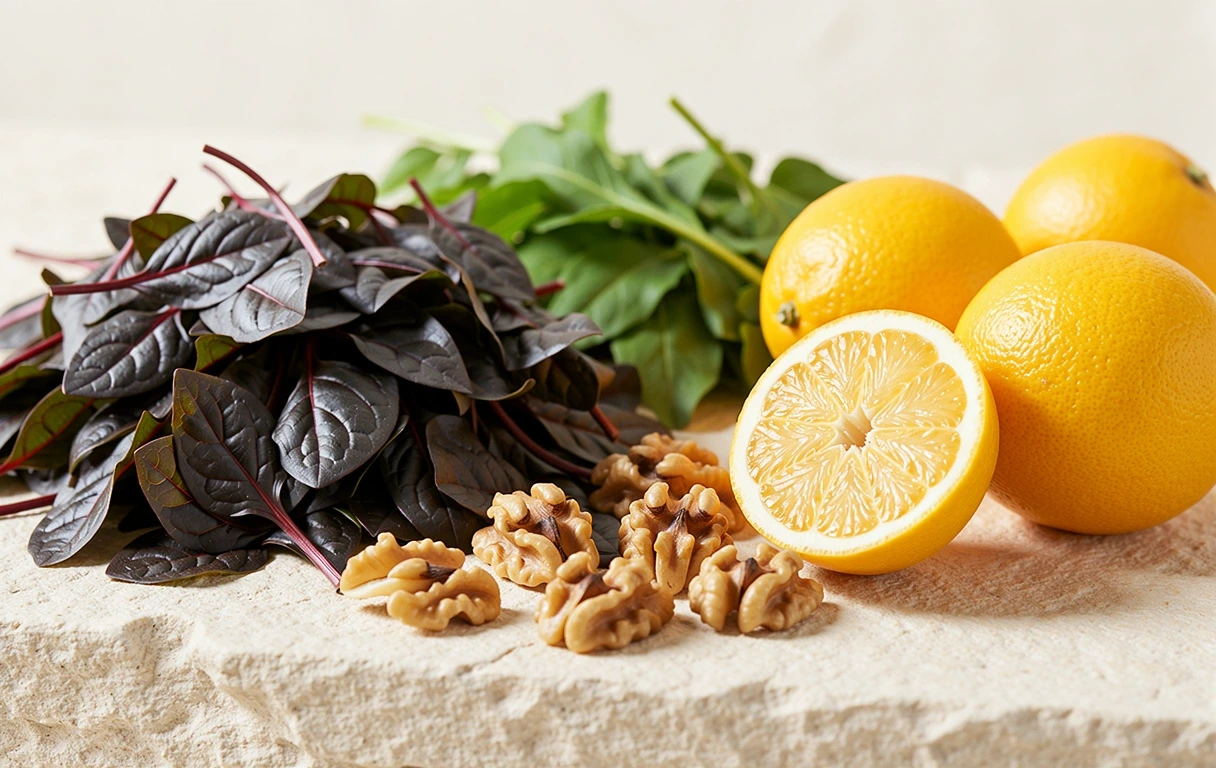
Caring for your hearing through the Mediterranean lens.
Spain’s natural bounty offers a unique advantage. The integration of olive oils, fresh seafood, and seasonal vegetables forms the backbone of healthy habits for hearing that are both sustainable and culturally resonant.
- Rich antioxidants found in local citrus fruits.
- High-omega profiles in Atlantic sardines and mackerel.
- Mineral-dense legumes from the Andalusian plains.
Lifestyle and Hearing
Nutrition is only one pillar. To ensure prevention of hearing discomfort, one must look at the synergy between what we eat and how we interact with our acoustic environment.
Natural Habits
Integrating raw snacks like almonds (Vitamin E) into your daily routine supports the body's resilience against the environmental stressors found in urban Sevilla or Madrid.
Sound Quality
Better sound perception starts with clear biological signaling. High intake of B12 has been linked to maintained clarity in speech recognition within busy social environments.
Proactive Care
Attention to hearing health includes consistent hydration, which maintains the sensitive electrolyte balance in the cochlear fluid—critical for equilibrium and hearing in everyday life.
Your Weekly Vitality Checklist
Optimizing your hearing health doesn't require complex changes. It requires attention to the small, daily choices that accumulate into long-term hearing and quality of life.

Continue your journey
Sound perception is a complex interaction between biology and environment. Explore how physical care complements your nutritional progress.